
Best Caravan Internet (UK 2026): Starlink vs 4G vs 5G
If you have ever arrived on a lovely rural site, made a tea, opened the laptop and watched a spinning loading icon for ten full minutes, you already know the problem. Caravan internet in the UK is rarely about chasing the fastest possible speed. It is about getting something that works, where you are, without turning your pitch into a small telecoms experiment.
That is really the question behind "Internet in a Caravan: Starlink vs 4G vs 5G (UK Guide) in 2026". Which option is actually worth your money for the way you tour?
The short answer for most caravanners
For most UK caravanners, 4G still gives the best balance of cost, coverage and simplicity. It is not glamorous, but neither is a reliable corner steady. Both do useful work without asking for applause.
5G can be excellent if you tour near towns, major roads and better-served sites, but it is still patchier once you get into the bits of Britain people usually travel to for peace and quiet. Starlink is the most capable option for genuinely remote touring, but it costs more, uses more power and needs a clear view of the sky.
So the right answer depends less on marketing claims and more on whether you mainly want to browse, stream, work remotely, or disappear into the countryside while still attending the odd Teams call.
4G in a caravan - still the sensible default
4G remains the least fussy option. Coverage is widespread across the UK, hardware is relatively cheap, and setup is straightforward. In many cases, a decent mobile router and a sensible data plan will do the job well enough for email, web browsing, banking, campsite booking and streaming in standard or HD.
Where 4G wins is practicality. It is easy to power, easy to move between car and caravan, and easier to justify if you only tour on weekends or holidays. If your current setup is just a phone hotspot, a proper router with external aerial support often makes more difference than people expect.
Recommended Caravan Router Options
• Huawei B535 4G LTE Router
Reliable and simple 4G router used by many caravanners. Supports external aerials and works well with UK data SIMs.
• TP‑Link Archer MR600 4G+ Router
Stronger performance if you stream heavily or work remotely.
That said, 4G performance varies wildly by network and location. One side of a site can be fine, the other can be hopeless. Trees, hills, weather, network congestion and how many people are trying to upload their dog photos at 8 pm all play a part. This is why many experienced caravanners carry more than one SIM rather than swearing lifelong loyalty to a single provider.
Improving signal with external antennas
• Poynting Puck‑2 4G/5G Antenna
One of the most effective antennas for improving signal on rural sites.
Best routers for caravan internet (2026)
For most caravanners, a dedicated mobile router performs better than relying on a phone hotspot. A router can maintain signal more reliably and allows external antennas to be added when touring in weaker coverage areas.
Two popular options are:
• TP-Link Archer MR600 4G+ Router – a reliable and affordable 4G router suitable for most touring setups.
• Zyxel NR5103E 5G Router – better suited to heavy streaming or working remotely from the caravan.
5G in a caravan - brilliant when it works
5G is the tempting option because, in the right place, it is very good. Speeds can be excellent, latency is lower than 4G, and if you work online or stream heavily, it can feel much closer to home broadband.
The catch is coverage. Not the coverage maps, which tend to be optimistic in the cheerful way only coverage maps can be, but actual usable signal where your caravan is parked. In and around larger towns, 5G can be superb. On a rural site in Wales, Northumberland or deepest Cornwall, it may quietly turn into 4G anyway.
That does not make 5G a bad choice. It just means it is best seen as an upgrade path, not a magic solution. If you already have a modern router and tour in stronger signal areas, 5G may be well worth paying for. If you mainly stay in rural areas, paying extra for theoretical speed you rarely receive is less exciting.
Starlink in a caravan - the remote work option
Starlink is the option people look at after one too many bad mobile signal weekends. For genuinely remote touring, it is often the best performer because it does not depend on local mobile mast coverage in the same way 4G and 5G do.
If you pitch in places where mobile data is weak or non-existent, Starlink can be a real game changer. It is especially useful for people working from the caravan, uploading video, joining video calls, or travelling for longer periods where internet is not just nice to have but necessary.
But there are trade-offs, and they matter. Starlink hardware is more expensive, the monthly cost is higher, and power consumption is not trivial if you are off-grid. It also needs a reasonably clear view of the sky. Trees are lovely until they block your internet. Suddenly that picturesque woodland pitch is less charming.
There is also the setup factor. Some people will happily position a dish, run cables and manage power. Others want to press one button and get on with their evening. Be honest about which sort of caravanner you are.
Which is best for your type of touring?
If you are a casual leisure user who checks email, browses the web and streams a bit, 4G is usually enough. If you are planning your first trips, this is one of those areas where buying too much kit too soon is very easy, much like the pattern covered in Why new caravanners buy far too much kit.
If you work online from the caravan and often tour in decent coverage areas, 5G is probably the sweet spot. It offers strong performance without the higher cost and power draw of Starlink.
If you regularly stay in remote places and internet access genuinely matters, Starlink is often the best answer. Not because it is trendy, but because it solves a specific problem mobile networks still struggle with in some parts of the UK.
A practical setup that avoids regret
The calm, boring answer is often the best one. Start with a good 4G or 5G router, use at least two networks across your SIMs if possible, and test your real needs before spending heavily. For many people, that will be enough.
If you already know your touring takes you into poor-signal areas, or you need dependable connectivity for work, then Starlink becomes easier to justify. Not essential for everyone, not overkill for the right person.
As with planning routes or choosing gear, the best setup is the one that suits how you actually travel, not how the internet says a serious caravanner ought to travel. If you are already thinking ahead for longer trips, Plan a UK Caravan Road Trip Without the Stress is worth a read too.
Good caravan internet in 2026 is less about chasing the biggest number and more about avoiding avoidable frustration. That may not be glamorous, but neither is sitting outside the awning trying to send one email with one bar of signal.
Improving mobile signal on campsites
Mobile internet performance on campsites often depends less on the network and more on how your equipment is set up.
Small improvements can make a noticeable difference:
• positioning the router near a window or roof light
• using an external antenna
• carrying SIM cards from more than one network
An antenna such as the Poynting PUCK-2 Antenna can improve signal stability in rural locations where mobile coverage is weaker.
How much data does caravan internet use?
Data requirements vary depending on how you use the internet while touring.
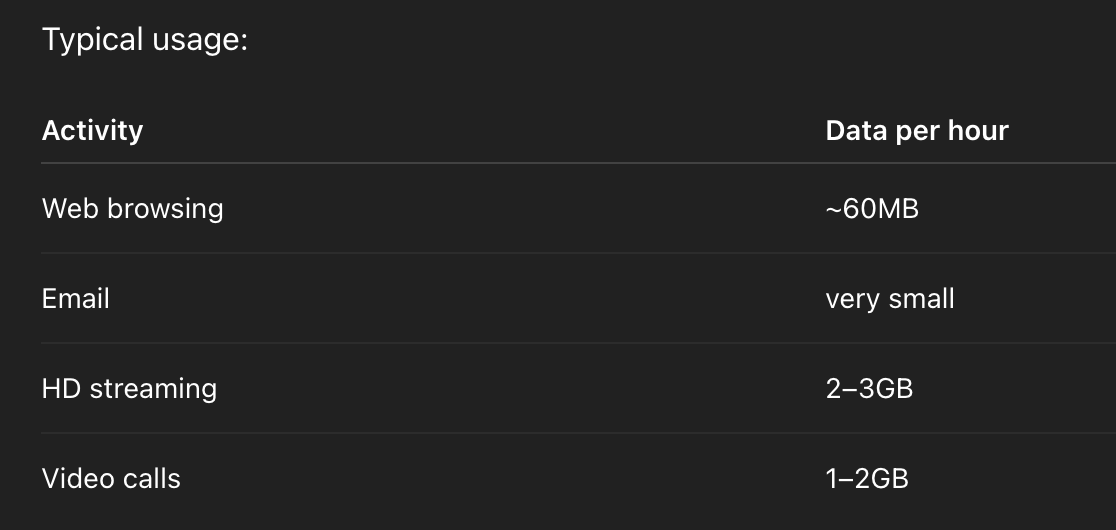
For occasional browsing and streaming, a 100–200GB monthly SIM plan is usually enough. Remote working or frequent streaming may require unlimited data.